10 Best Places to Visit in Spain for First-Time Visitors
A first trip to Spain might begin with Gaudí’s buildings in Barcelona, a morning at the Prado in Madrid, or a walk through the Alhambra gardens. But a good itinerary also leaves room for the moments between those sights: a long lunch in Valencia, pintxos in Bilbao, or an evening stroll through Córdoba after the day-trippers have left.
The best places to visit in Spain depend on what you want from your trip and how much time you have. With one week, choose two main bases and consider a day trip. With two weeks, you can combine Barcelona and Madrid with several stops in Andalusia. If beaches, mountain villages, or northern Spain are what drew you in, give that region more of your time.
Where to Go in Spain at a Glance
These suggested stays assume you want time for the main sights and a little room to explore. Count your arrival day and longer travel days separately when planning what you can see.
Destination | Go for | Suggested stay |
|---|---|---|
Barcelona | Gaudí, the Gothic Quarter, and the Mediterranean waterfront | 3–4 nights |
Madrid | Major art museums, the Royal Palace, and neighborhood dining | 3–4 nights |
Seville | The Real Alcázar, flamenco, and Andalusian food | 3 nights |
Valencia | Paella, markets, cycling, and beach time | 2–3 nights |
Granada | The Alhambra and hillside neighbourhoods | 2–3 nights |
Córdoba | The Mosque-Cathedral, patios, and a walkable old town | Day trip or 1 night |
Toledo | Medieval streets, the cathedral, and El Greco | Day trip or 1 night |
Bilbao | The Guggenheim, pintxos, and the Basque coast | 2–3 nights |
Mallorca | Palma, mountain villages, and Mediterranean coves | 4–6 nights |
Santiago de Compostela | Camino history, Galician food, and the old city | 2 nights, longer for Galicia |
1. Barcelona for Gaudí and the Mediterranean
Start with the Sagrada Família. Its carved façades are worth a look from the street, but the branching columns and colored light inside make the visit memorable. For a second taste of Gaudí, choose between the mosaic terraces of Park Güell and a house visit on Passeig de Gràcia. Casa Batlló is a good pick for its interiors, while Casa Milà is especially rewarding if you want to see its sculpted rooftop.
Give another day to the old city. Start in the Gothic Quarter, stop at La Boqueria, and continue into El Born for the Picasso Museum or lunch. With an extra afternoon, head to Montjuïc for art and views or walk the Barceloneta waterfront.
Planning tip: Reserve the Sagrada Família and Park Güell once your dates are set. Barcelona pairs easily with Madrid by train. Choose Valencia as your next stop if you’d rather spend more of the trip on the Mediterranean coast. Barcelona travel guide for first-time visitors sagradafamilia.org
2. Madrid for Art, Parks, and Neighborhood Life
Madrid is a good starting point if you want to see several parts of Spain by train. It’s also worth giving the capital a few days of its own. At the Prado Museum, choose a few artists or galleries you most want to see. Starting with Velázquez and Goya gives the visit some focus and leaves time for a walk through nearby Retiro Park. If twentieth-century art is more your thing, allow time for the Reina Sofía to see Picasso’s Guernica and the surrounding collection.
Spend a separate morning at the Royal Palace, then continue into the older city around Plaza Mayor. For an evening of tapas, head to La Latina. If you’re in Madrid on a Sunday, the El Rastro flea market makes a natural starting point for exploring that neighborhood.
Planning tip: Three nights give you time for Madrid’s main sights. Add a fourth if you want to visit Toledo without giving up a day in the capital. Madrid also makes an easy starting point for a train trip through Córdoba and Seville. spain.info
3. Seville for Palaces, Flamenco, and Andalusian Food
The Real Alcázar and Seville Cathedral are close together, but each deserves time. The Alcázar’s intricate tilework, courtyards, and gardens are a good reason to start early and linger. At the cathedral, add the Giralda if you want the city view. The tower climb is mostly ramps, but it’s still a sustained uphill walk.
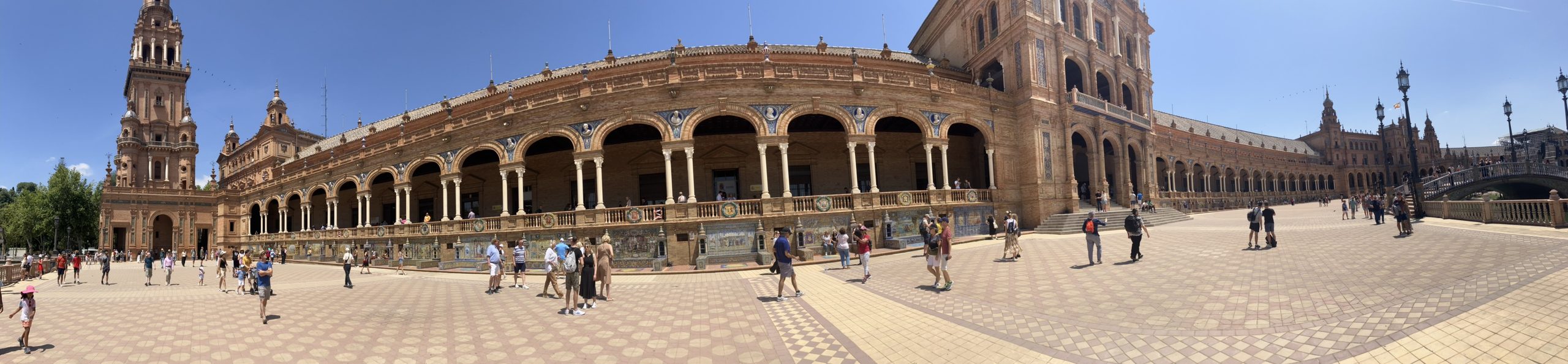
Save another outing for Plaza de España and María Luisa Park, or cross the river into Triana for ceramics shops and tapas. Seville is one of the best places to see flamenco. A smaller venue can make it easier to appreciate the guitar, singing, and footwork up close.
Planning tip: Book the Alcázar ahead. If you’re visiting during Holy Week or the April Fair, check the dates before you reserve accommodation. In the heat of summer, schedule the longest outdoor walks for the morning and take a break during the hottest part of the afternoon. Real Alcázar visitor information alcazardesevilla.infoticketing.com
4. Valencia for Paella, Parks, and a Beach Break
Valencia works well when you want a city stay with some breathing room. In the old town, start at the Central Market, then cross to La Lonja de la Seda, the historic silk exchange. The Turia Garden, a long park in the former riverbed, offers a green route to the City of Arts and Sciences. Leave time to walk around the buildings even if you decide to skip the indoor attractions.
For a different afternoon, head to the coast around Malvarrosa Beach. Valencia is the home of paella, and a rice lunch is worth planning. Traditional paella valenciana is usually made with chicken, rabbit, and beans. Seafood paella is a different option. Check whether the restaurant requires an order for two or asks you to reserve in advance.
Planning tip: Valencia pairs well with Barcelona for a coastal itinerary. If you’ll be there during Las Fallas in March, expect crowds, fireworks, and noise, and choose your accommodation accordingly. Spain.info GCC
5. Granada for the Alhambra and the Albaicín
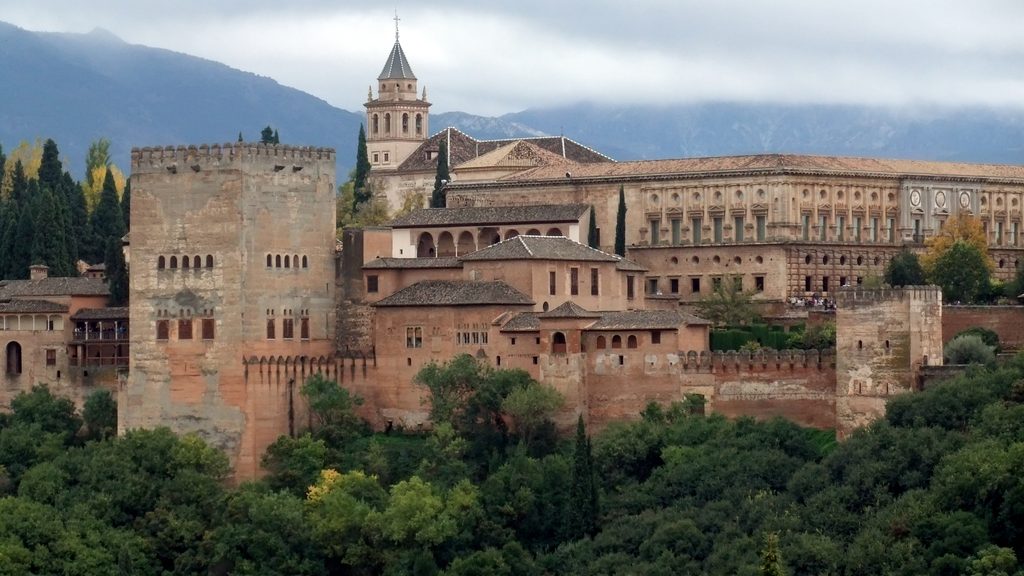
The Alhambra is the main reason to plan your Granada stay. Allow at least half a day for the palace and fortress complex, including the Nasrid Palaces and the Generalife gardens. Buy a ticket that includes the Nasrid Palaces if you want to see their carved walls and courtyards. That part of the visit has a specific entry time, so plan the rest of the complex around it and bring the original ID required by the ticket office. Official Alhambra tickets and visitor rules Tickets Alhambra Patronato
Spend your other day exploring the Albaicín, also spelled Albayzín. Its narrow lanes climb toward viewpoints across the valley to the Alhambra. If cobblestones and steep slopes are a concern, take a bus or taxi uphill and choose a manageable route back. Leave time for tapas or a stop at a traditional tea house.
Planning tip: Two nights can work if you already have an Alhambra ticket. Three give you a more comfortable pace, especially after traveling from another city.
6. Córdoba for the Mosque-Cathedral and Historic Patios
Inside Córdoba’s Mosque-Cathedral, rows of red-and-white arches surround parts of a Christian cathedral built within the former mosque. Give yourself time to walk through the interior and notice how the spaces change. Afterward, explore the lanes of the old Jewish Quarter and cross the Roman Bridge for a view back toward the city.
Córdoba’s flower-filled patios are especially associated with the annual Patios Festival, typically held in May. If you’re traveling specifically to see the patios, check the festival dates and which courtyards you can visit during your stay.
Planning tip: Córdoba is an easy day trip from Seville and sits on the main Madrid–Seville rail route. Stay overnight if you want time to explore after the busiest hours. If you’re stopping between hotels, arrange luggage storage before committing to a sightseeing stop. spain.info
7. Toledo for a Day Trip From Madrid
Toledo’s old city sits high above the Tagus River, with winding streets that make the walk between sights part of the visit. The cathedral is a good starting point. From there, choose what interests you most: El Greco’s The Burial of the Count of Orgaz at the Church of Santo Tomé, the former synagogues in the Jewish Quarter, or the city view from Mirador del Valle.
The historic center is hilly, and the train station is below it. A taxi or local bus can save you the climb when you arrive. The viewpoint across the river is a separate outing, so leave time for it if that classic view matters to you.
Planning tip: Toledo fits a day trip from Madrid. Stay a night if you enjoy exploring an old town in the evening and want time to visit more than one or two major sights. Spain.info GCC
8. Bilbao for the Guggenheim and Basque Food
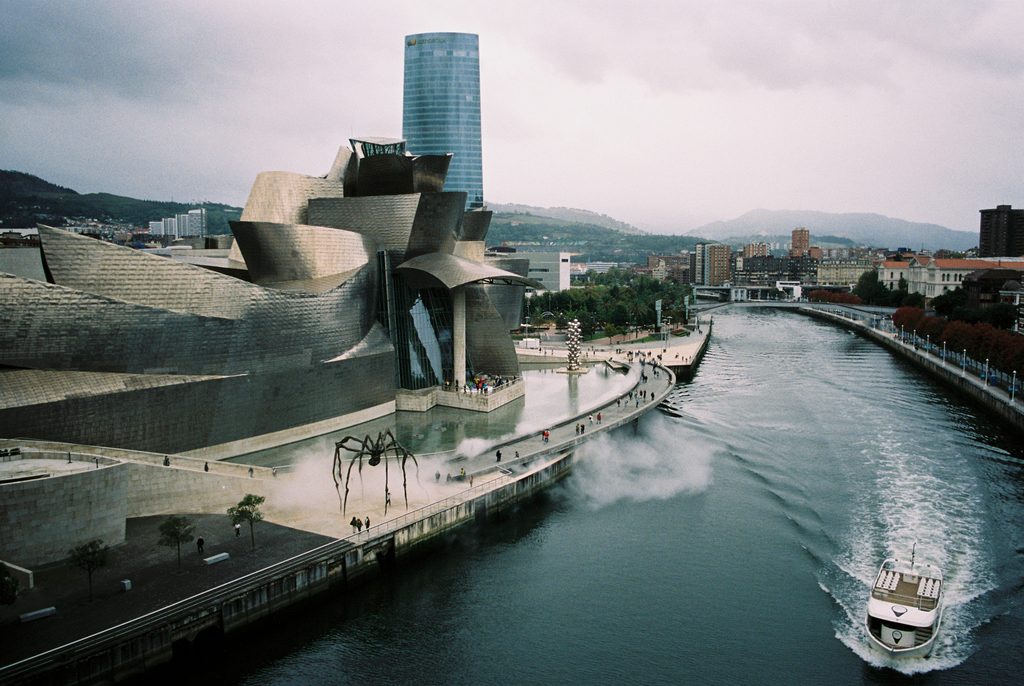
Start at the Guggenheim Museum Bilbao, with time to see Frank Gehry’s curving exterior from the riverfront. Then follow the river toward the Casco Viejo, Bilbao’s old town, for a very different side of the city. Around Plaza Nueva, try a few pintxos, small bites that might include anchovy, peppers and olives, a slice of tortilla, or seafood. Moving between a couple of bars makes it easy to sample different things.
On another day, decide whether you want more city time or a look at the Basque coast. Getxo is a nearby option for a waterfront outing. San Sebastián is worth considering as a second base if you’re building a longer northern trip around food and coastal scenery.
Planning tip: Give Bilbao two full days if the museum and old town are priorities. Pack a light rain layer if you’re planning outdoor time in northern Spain. Spain.info GCC
9. Mallorca for Palma, Mountain Villages, and Coves
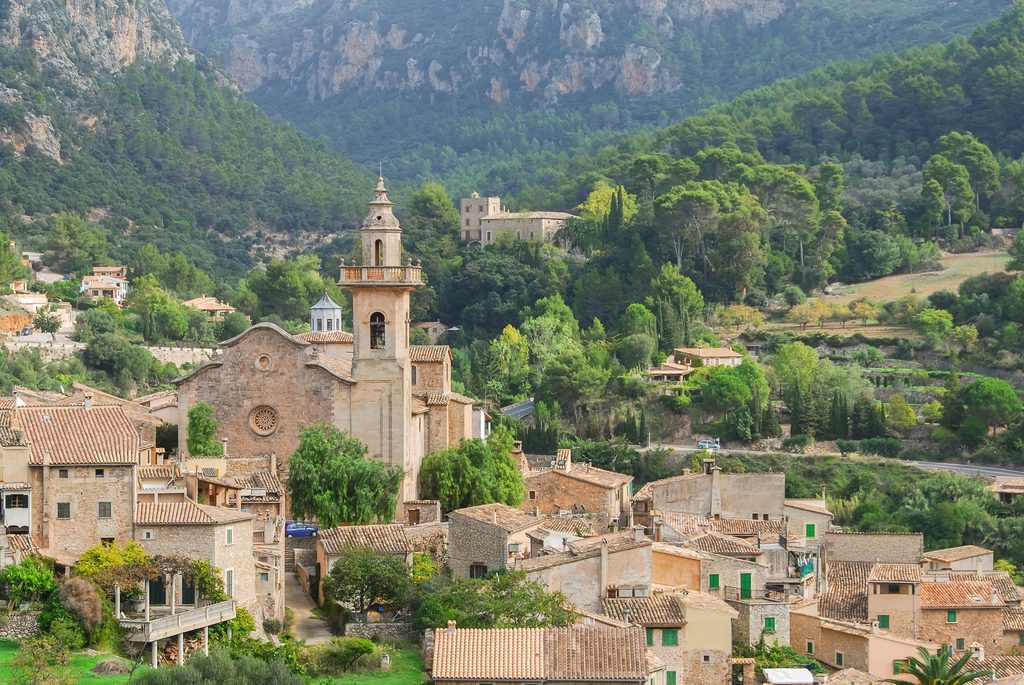
Start in Palma, on the island’s southwest coast. The waterfront cathedral, La Seu, and the old town are worth a day of their own. From there, choose whether the rest of your trip is mainly about the beach or the Serra de Tramuntana. Valldemossa and Sóller are good starting points for exploring the island’s mountainside. If you’re after quiet time by the water, choose accommodation near the beach or stretch of coast you most want to visit.
A car gives you more flexibility for scattered coves and villages, but narrow roads and limited parking can slow you down. If you’d rather avoid driving, base yourself in Palma and choose outings you can reach by public transport. Try an ensaïmada, the island’s spiral pastry, while you’re there.
Planning tip: Give Mallorca at least four nights if you’re adding it to a mainland route. Once you factor in flights or ferries and transfers, a short island visit can feel rushed. Spain.info GCC
10. Santiago de Compostela for Camino History and Galician Food
You can visit Santiago de Compostela without walking the Camino. Start in Praza do Obradoiro, the square in front of the cathedral, where you can see pilgrims arrive at the end of their journey. Give yourself time for the old city and the Mercado de Abastos, where Galicia’s seafood, cheeses, and produce give you a different sense of the region.
Try pulpo á feira, Galician-style octopus, or a slice of tarta de Santiago, the local almond cake. If you’re visiting around the Feast of Saint James on July 25, check that year’s program and book accommodation early if the celebrations are part of your plans.
Planning tip: Two nights work for the city. If Galicia is one of the reasons you’re coming to Spain, give it a few more days for places such as A Coruña or the Rías Baixas. Spain.info GCC
Spain Itineraries for One or Two Weeks
The routes below are counted in nights, so it’s easier to see how many hotel stays and transfers are involved. Check your international flights before choosing the order, especially if you’re thinking of arriving in one city and flying home from another.
Time | Route | Suggested split |
|---|---|---|
7 nights | Barcelona and Madrid for Gaudí, museums, and an optional day trip | 3 nights Barcelona, 4 Madrid. Use one Madrid day for Toledo if you want. |
7 nights | Madrid and Seville for art, palaces, and Andalusian food | 3 nights Madrid, 4 Seville. Visit Córdoba as a day trip from Seville. |
7 nights | Barcelona and Valencia for architecture, markets, and the coast | 4 nights Barcelona, 3 Valencia. Build in a beach afternoon or a long rice lunch. |
14 nights | Barcelona, Madrid, Córdoba, Seville, and Granada for a wider first trip | 3 nights Barcelona, 4 Madrid, 1 Córdoba, 3 Seville, 2 Granada, and 1 in your departure city. Check the final connection before booking. |
If you only have four or five nights, pick one city. Madrid with a day trip to Toledo gives you two distinct experiences without changing hotels. Barcelona works well if you want architecture, neighborhood walks, and time by the sea.
If Mallorca, Bilbao, or Santiago is the place you’re most excited about, build your trip around it. A week split between Palma and a second Mallorca base, or between Bilbao and San Sebastián, can feel far more relaxed than squeezing either region into a cross-country route.
How to Get Around Spain
Take the train between major mainland cities. High-speed services make Madrid, Barcelona, Valencia, Córdoba, and Seville practical to combine. Check which station your train uses and compare the full journey, including getting to the station and onward to your hotel. Reserve early if you’re traveling on a holiday weekend, or if your sightseeing plans depend on a specific departure. Spain’s high-speed rail routes spain.info
Compare buses for smaller places. A bus can be the more direct option for towns outside the main rail network. For rural stays, check evening and Sunday service before relying on public transport.
Rent a car for the part of the trip that needs one. A car can be useful for mountain villages, countryside stays, or out-of-the-way beaches. For a city-based itinerary, book accommodation where you can walk or take transit to most sights. If you do drive into a historic center, ask your hotel about parking and access restrictions before arrival. Spain.info GCC
When Is the Best Time to Visit Spain?
Spring and early autumn are good starting points for a sightseeing trip. Temperatures are generally more comfortable for walking, especially if your itinerary includes inland cities or Andalusia. Popular festival dates can still bring crowds and higher accommodation prices.
July and August suit a beach-focused trip. If your itinerary includes Seville, Córdoba, or Granada, plan for heat and aim to visit exposed sights early. In northern Spain, allow for rain even when traveling in warmer months.
Winter can work well for museums, city breaks, and trips where swimming is low on your list. Check seasonal opening hours in smaller resort towns, and plan around shorter daylight hours if you want to spend much time outdoors. Spain’s regional and seasonal weather guide spain.info
What to Book Before Your Trip
- The Alhambra in Granada. Choose a ticket that includes the Nasrid Palaces if you want to visit them, and plan around the assigned entry time. Official Alhambra tickets Tickets Alhambra Patronato
- The Sagrada Família and Park Güell in Barcelona. Leave enough time to get between them if you book both on the same day. Sagrada Família tickets · Park Güell tickets sagradafamilia.org
- The Real Alcázar in Seville. Book ahead when your time in the city is limited or you’re visiting on high-demand dates. Real Alcázar visitor information alcazardesevilla.infoticketing.com
- Festival accommodation and major transfers. If a festival, island stay, or specific train is central to your trip, check availability while you’re deciding where to stay.
Practical Questions About a First Trip to Spain
Is Madrid or Barcelona better for a first visit?
Choose Madrid for major art museums, a day trip to Toledo, or an onward journey to Andalusia. Choose Barcelona for Gaudí, the old city, and easy access to the Mediterranean. Both work as a first stop, so your onward route and flight options can help you decide.
Can you visit Spain without renting a car?
Yes. The main cities in the one- and two-week itineraries can be connected by public transport. A car becomes more useful if you want to spend time in rural areas or visit several smaller places in a single day. Spain.info GCC
How much should you budget?
Price accommodation for your actual dates first, then add intercity travel, major attraction tickets, meals, and local transport. For a lower-cost trip, spend more nights in fewer places, look for a weekday menú del día at lunch, and mix paid sights with markets, parks, and neighborhood walks. Compare sightseeing passes against the specific attractions you plan to visit.
What time do people eat?
Lunch and dinner often start later than many visitors from Canada or the United States are used to. If you prefer an early meal, check kitchen hours before heading out. Spain uses the euro, and tipping at restaurants is generally optional. Carry a little cash for small purchases. Spain’s practical travel information Spain.info GCC
Do you need to speak Spanish?
A few basic phrases will help, especially outside major tourist areas. You’ll also encounter regional languages, including Catalan in Barcelona, Basque in Bilbao, and Galician in Santiago. Saving your hotel address and downloading an offline translation tool can make everyday travel easier.
What should Canadian travelers check before departure?
Check the Government of Canada’s current advice for Spain for passport and entry requirements. In busy stations, on public transport, and around major attractions, keep your phone and wallet secure. Government of Canada travel advice for Spain travel.gc.ca
Start with the place you’d most regret missing. If that’s the Alhambra, build an Andalusian trip around Granada. If it’s Gaudí and the sea, give Barcelona several days and consider continuing to Valencia. The time you leave for a market morning or dinner in a neighborhood you’ve come to like can be as memorable as the sights you booked months ahead.